If you’ve followed the project, you know I’ve been using Blender in two ways, blockouts and overpainting. Both hand a Blender render to a video model. A blockout is crude, and only guides the layout and motion. An overpaint starts from detailed 3D models, and the model is told to repaint them in the film’s animation style. I had hoped overpainting would give me real control over the output. It didn’t, so I’ve been trying something else:
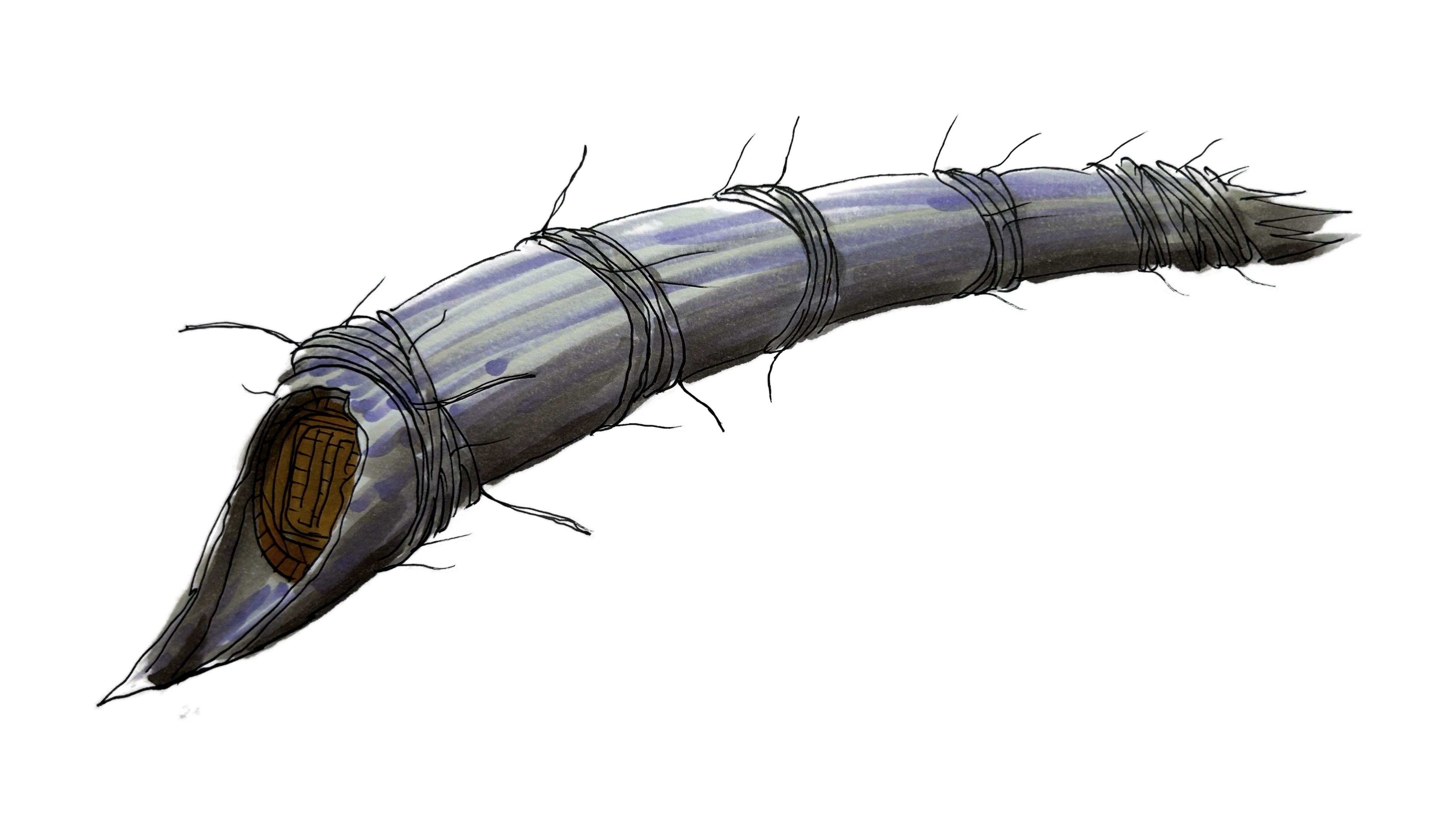
The test is shot 65.a, the ark under tow. The ark started as a rough illustration, went through an image model for a cleaner version, and then through Tripo3D to become a 3D model. The vacbeast was much harder: none of the image or 3D models could make sense of it, so Claude ended up building it directly in Blender.
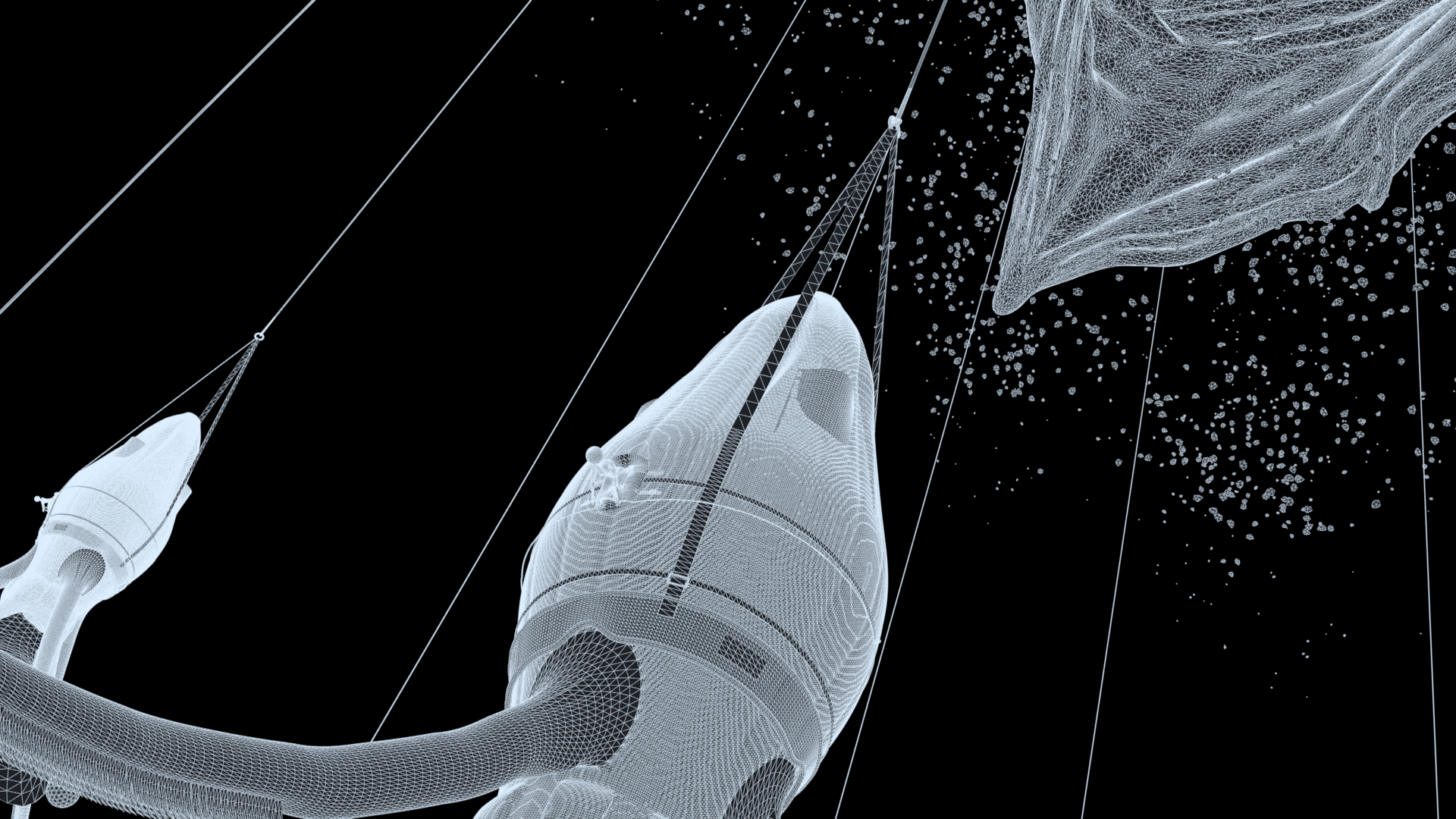
Scale matters a lot in this shot. The ark is 800 meters long, a vacbeast is around 25 meters, and the riders are under 2 meters. Video models definitely have trouble with that. My first overpaint tests went reasonably well, but then the takes started inventing things: a second ark, vacbeasts the size of horses, a close-up nobody asked for. I also ran it through the new Kling 4.0, and it put the rider on backwards.
Every take costs money, and I wasn’t happy with where the overpaints were going, so I decided to see whether the large-scale scenes, especially in space, could be done entirely in Blender. Claude helped me retexture the 3D models and add a background that moves with the camera. No video model touches these frames.
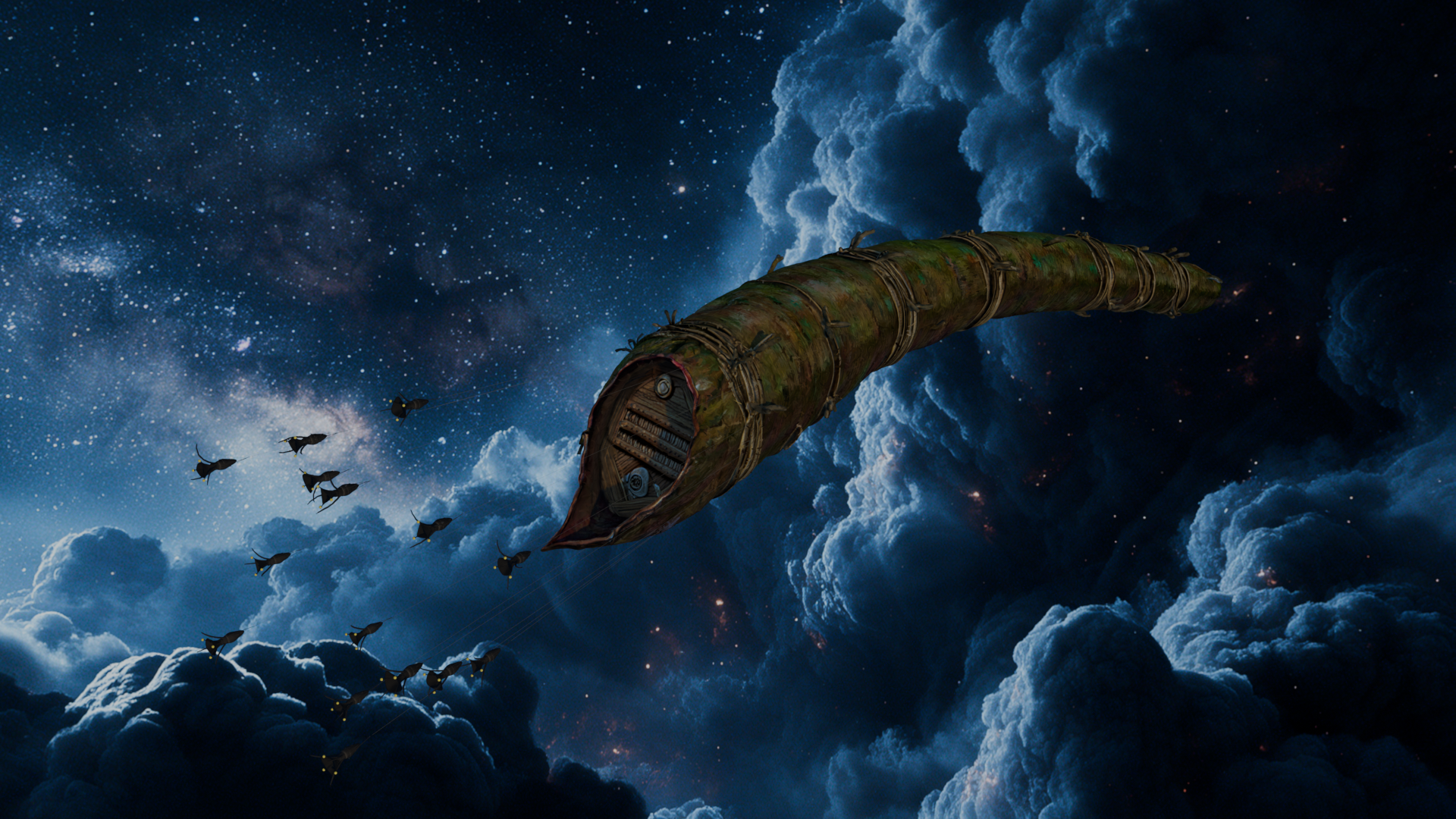
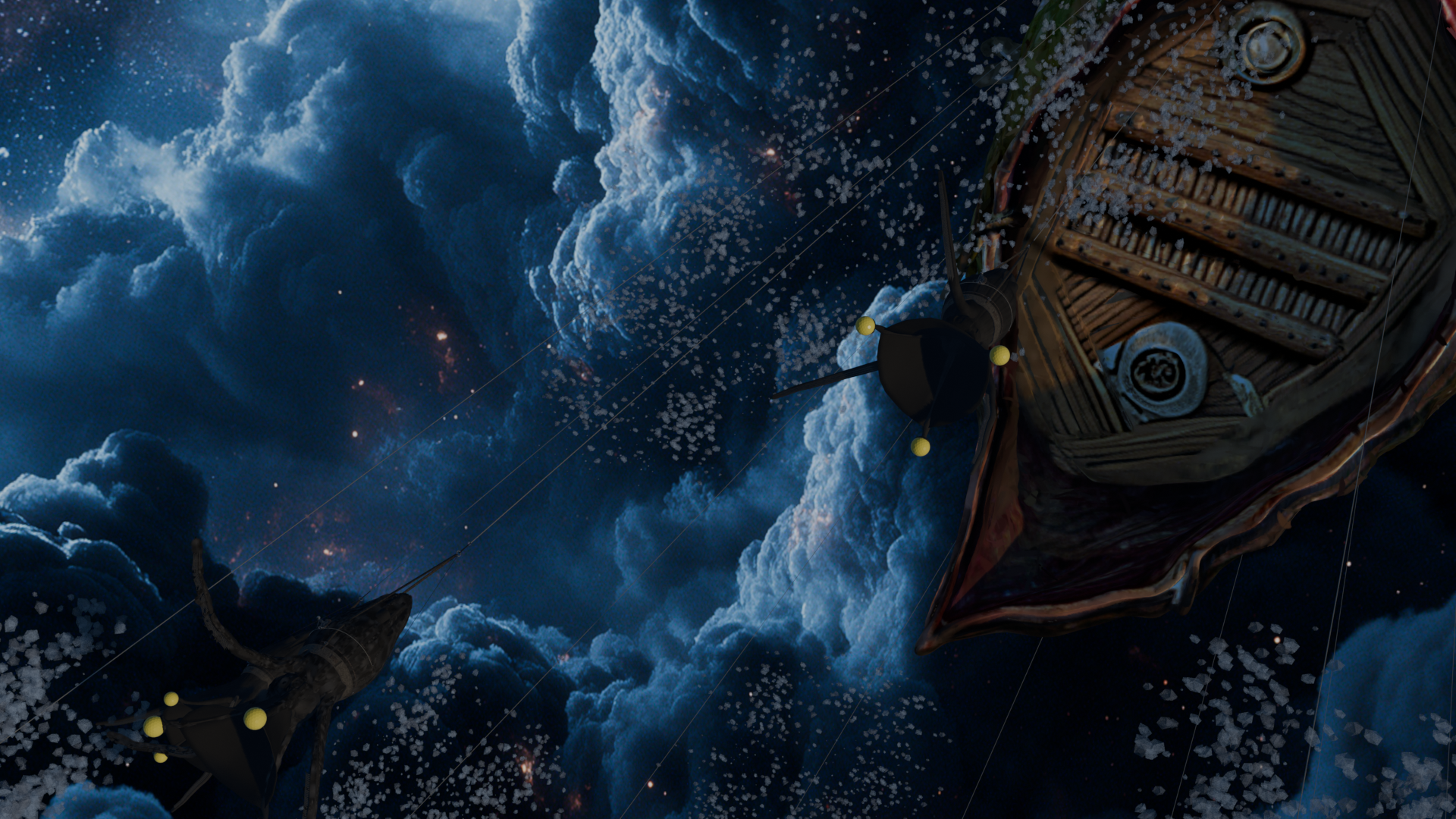
So far it’s very promising. The ark fits the animation style, though the vacbeasts still look a little CGI.